Authentic Tonkotsu Ramen Broth
If you love ramen with a deeply savory, creamy broth, this authentic ramen broth tonkotsu recipe is the one to make at home. It’s rich, silky, and packed with classic pork flavor that tastes just like your favorite ramen shop.
While tonkotsu takes time, the steps are simple and the result is worth every minute. This version gives you a restaurant-style broth with clear, practical instructions for home cooking. The secret to a great tonkotsu ramen broth is the long, rolling boil that emulsifies collagen from the pork bones, a technique explained well by this overview of tonkotsu ramen.
Why You’ll Love This Tonkotsu Ramen Broth
- Authentic flavor: Slow-simmered pork bones create the signature rich, creamy tonkotsu taste.
- Restaurant-style texture: The broth turns milky and silky without adding cream.
- Customizable: Use it with classic ramen noodles, chashu, soft eggs, scallions, and nori.
- Meal-prep friendly: Make the broth ahead and freeze portions for fast ramen nights.
Ingredients
- 2.5 lb (1.1 kg) pork trotters or neck bones (split if possible; the collagen helps create a creamy broth)
- 2.5 lb (1.1 kg) pork femur bones (for body and depth)
- 14 cups (3.3 L) water (plus more as needed)
- 1 large (about 10 oz / 285 g) yellow onion (halved)
- 6 cloves garlic (smashed)
- 2-inch piece (1 oz / 30 g) ginger (sliced)
- 4 scallions (trimmed)
- 1 piece (about 4 x 4 in / 10 x 10 cm) kombu (optional, for extra umami)
- 1 to 2 tsp salt (to taste)
- 1 tbsp (15 ml) neutral oil (optional, for roasting bones)
Instructions
- Rinse the pork bones well under cold water. For a cleaner broth, place them in a large pot, cover with water, bring to a boil, and boil for 10 minutes (PT10M) to remove impurities. Drain, rinse the bones again, and scrub out any foam or clotted bits from the pot.
- If you want a deeper flavor, roast the drained bones on a baking sheet at 425°F (220°C) for 25 minutes (PT25M), turning once halfway through. This step is optional but adds a richer, more savory aroma.
- Return the cleaned bones to a large stockpot and add 14 cups (3.3 L) fresh water. Bring to a hard boil over high heat, then lower to a strong simmer that still keeps the liquid moving. Tonkotsu gets its signature creamy look from vigorous bubbling, so do not let it barely simmer.
- Add the onion, garlic, ginger, and scallions. If using kombu, add it only for the last 20 minutes of cooking so it does not taste bitter. Skim off any foam that rises during the first hour.
- Cook uncovered for 10 to 12 hours total, adding hot water as needed to keep the bones covered. Stir occasionally and break up the surface fat and marrow as it cooks; the broth should turn opaque, pale beige, and rich-looking.
- When the broth looks creamy and full-bodied, strain it through a fine-mesh strainer. Press lightly on the solids for more liquid, but do not force gritty particles through. Season with salt to taste.
- Use the broth immediately for ramen, or cool it quickly and refrigerate. Reheat until steaming hot before serving, then ladle over cooked ramen noodles and your favorite toppings.
Pro Tips for the Best Tonkotsu Ramen Broth
- Keep it boiling: A strong boil is what helps tonkotsu turn cloudy, creamy, and rich.
- Use mixed bones: Trotters add collagen, while femur bones add deep pork flavor and structure.
- Season at the end: Keep the broth neutral until serving so you can control saltiness with tare or final seasoning.
- Try a winter ramen bowl: Serve with mushrooms, soft-boiled eggs, and extra scallions for a cozy cold-weather meal.
Storage & Serving Your Tonkotsu Ramen Broth
Cool the broth quickly, then store it in airtight containers in the refrigerator for up to 4 days. For longer storage, freeze for up to 3 months; it may separate slightly when thawed, so whisk or reblend after reheating.
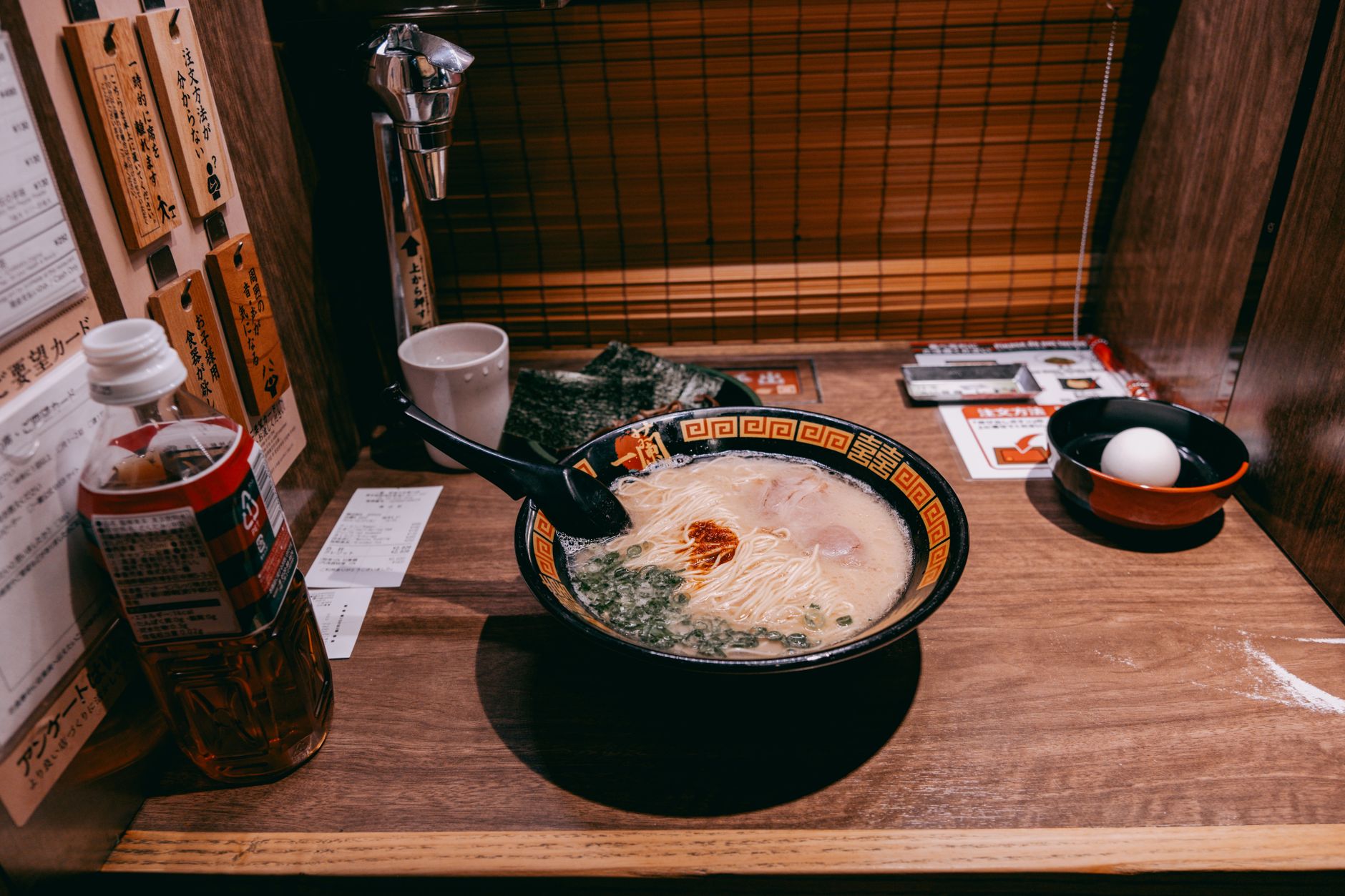
Serve this tonkotsu ramen broth piping hot with ramen noodles, sliced chashu, ajitama, bean sprouts, nori, and scallions. For the most authentic bowl, pair it with a seasoned tare and finish with aromatic garlic oil or chili oil.
Nutrition (per serving)
Calories: 320 | Protein: 12g | Carbs: 40g | Fat: 10g | Fiber: 4g
Frequently Asked Questions
What makes tonkotsu broth white and creamy?
The creamy color comes from vigorously boiling pork bones so collagen, fat, and marrow emulsify into the broth.
Can I make tonkotsu broth in a pressure cooker?
Yes, but the flavor and texture are usually less classic than a long, hard boil on the stovetop.
Do I need to roast the bones first?
No, roasting is optional. It adds deeper flavor, but a traditional tonkotsu broth can be made with cleaned, blanched bones alone.
What noodles work best with tonkotsu broth?
Use fresh or dried ramen noodles with a firm, springy texture that can stand up to the rich broth.