Perfect Oatmeal Recipe: Simple Steps & Creative Ideas
Oatmeal stands as one of the most versatile and nutritious breakfast options available, offering endless possibilities for customization while delivering substantial health benefits. Whether you're seeking a quick weekday breakfast or a leisurely weekend treat, mastering a reliable oatmeal recipe opens doors to countless flavor combinations and nutritional advantages. This comprehensive guide explores everything from basic preparation techniques to creative variations that will transform your morning routine and bring warmth to your family's breakfast table.
Understanding Oatmeal Fundamentals
Creating an exceptional oatmeal recipe begins with understanding the different types of oats available and how each variety affects cooking time and texture. The processing method determines not only the final consistency but also the nutritional profile and cooking requirements.
Types of Oats Explained
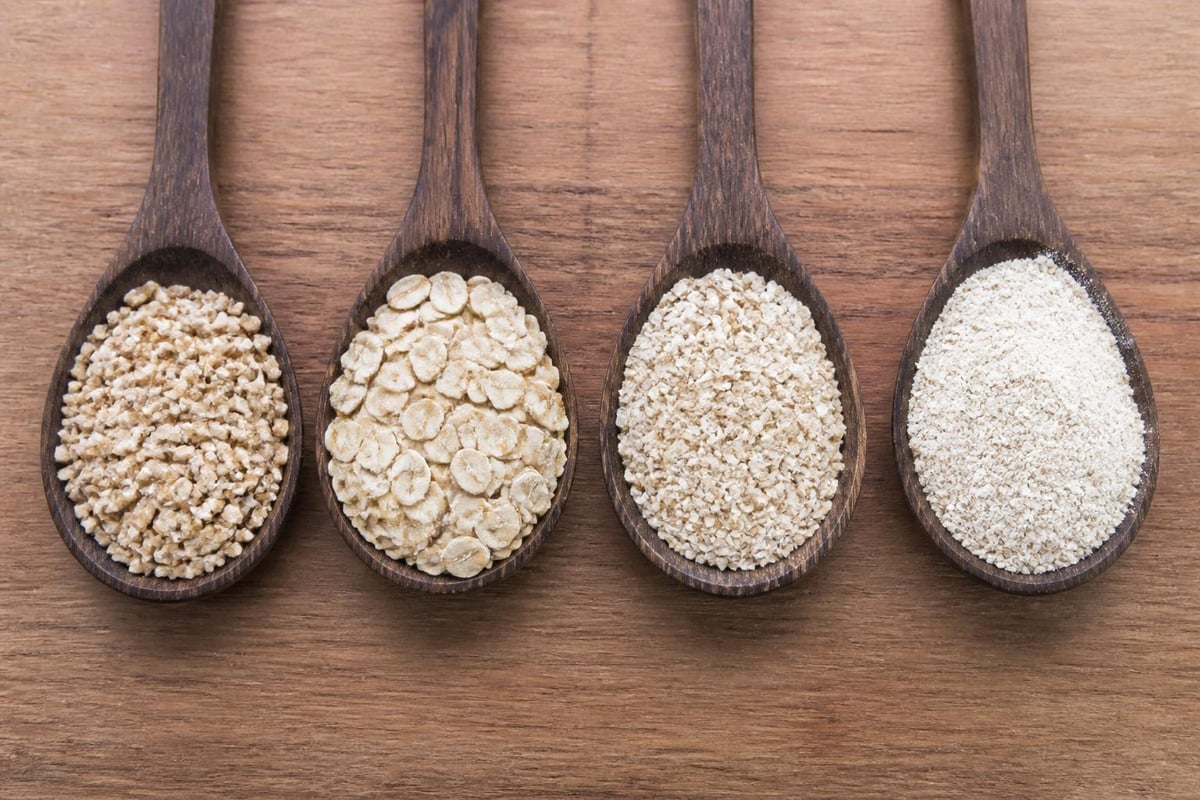
Steel-cut oats require the longest cooking time but deliver a distinctively chewy texture with a nutty flavor that many consider superior. These oats are whole grain groats cut into pieces, preserving maximum nutritional value and creating a hearty breakfast option.
Rolled oats (sometimes called old-fashioned oats) cook faster than steel-cut varieties and produce a creamier consistency. According to comprehensive research on oat processing, rolled oats are steamed and flattened, making them more accessible to home cooks seeking convenience without sacrificing quality.
Quick oats are rolled even thinner than old-fashioned oats, reducing cooking time to just a few minutes. While they cook rapidly, they tend to produce a softer, less textured final product.
Instant oats represent the most processed option, often pre-cooked and dried for immediate preparation. These work well for rushed mornings but typically contain added sugars and lack the robust texture of less-processed varieties.
Classic Stovetop Oatmeal Recipe
The foundation of any great oatmeal recipe starts with proper ratios and technique. This classic preparation method works beautifully for both rolled and steel-cut oats, though timing adjustments are necessary.
Basic Ingredients and Ratios
| Oat Type | Oats | Liquid | Cooking Time | Serves |
|---|---|---|---|---|
| Steel-cut | 1 cup | 3 cups | 25-30 min | 4 |
| Rolled | 1 cup | 2 cups | 10-15 min | 3 |
| Quick | 1 cup | 2 cups | 3-5 min | 3 |
Essential ingredients for a basic oatmeal recipe include:
- Oats (variety of your choice)
- Water or milk (dairy or plant-based)
- Pinch of salt
- Sweetener (optional)
Step-by-Step Preparation
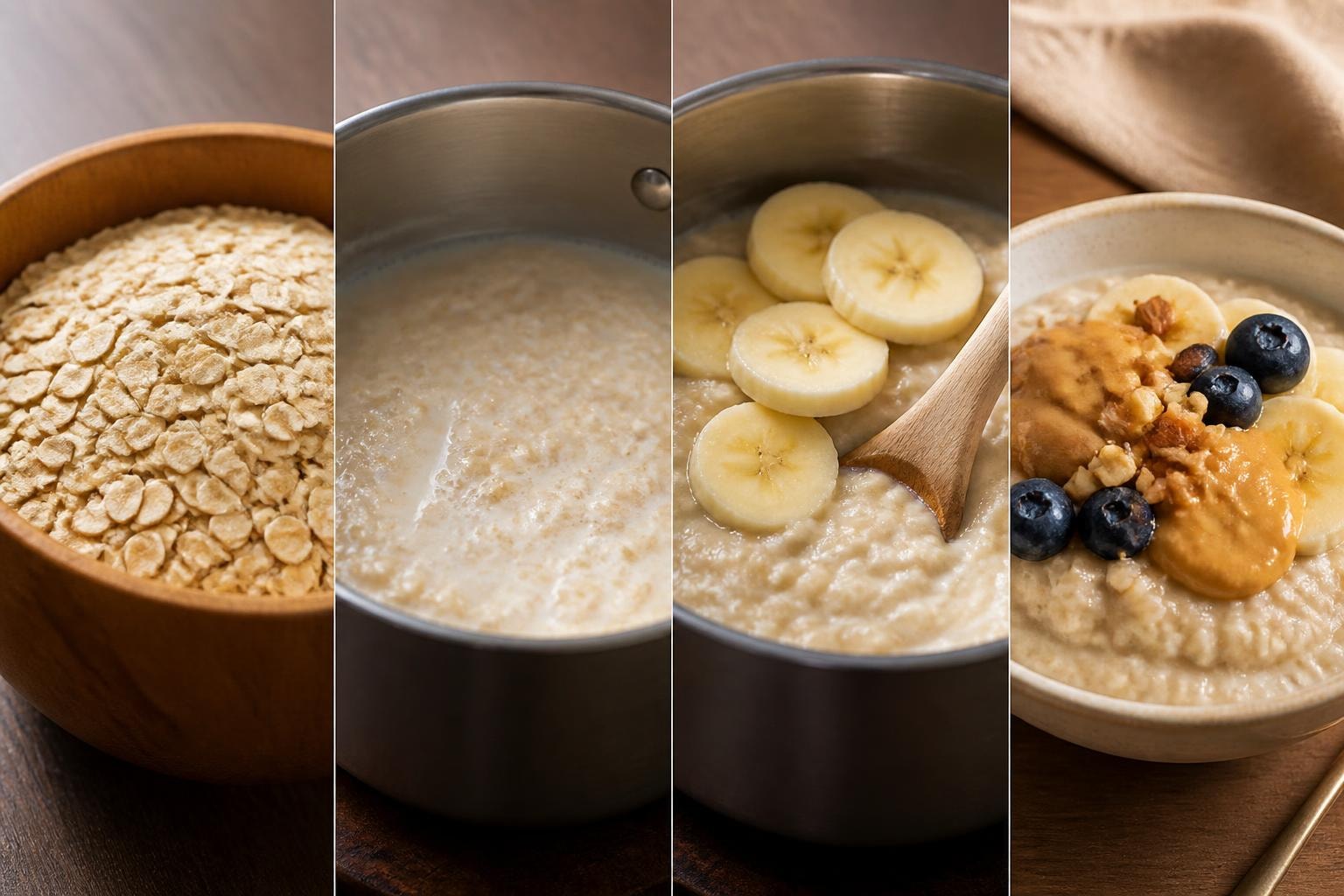
- Combine liquid and salt in a medium saucepan and bring to a boil over medium-high heat
- Add oats and reduce heat to medium-low, stirring occasionally
- Cook until desired consistency is reached, stirring frequently to prevent sticking
- Remove from heat and let stand for 2-3 minutes to thicken
- Add toppings and serve immediately while hot
The key to perfect oatmeal lies in the stirring technique. Too much stirring creates a gluey consistency, while too little results in uneven cooking and potential burning. Find the balance by stirring every minute or two, scraping the bottom of the pan to prevent sticking.
Nutritional Benefits and Health Considerations
Understanding why oatmeal deserves its reputation as a nutritional powerhouse helps justify its place in your regular breakfast rotation. Harvard’s research on oats demonstrates significant health advantages that extend beyond simple sustenance.
Key Nutritional Components
Beta-glucan fiber represents oatmeal's most celebrated nutritional asset, offering cholesterol-lowering properties and improved heart health. This soluble fiber slows digestion, promoting steady blood sugar levels and extended satiety.
Protein content in oats surpasses most grains, with one cup of dry oats containing approximately 11 grams of protein. This makes an oatmeal recipe particularly valuable for vegetarians and anyone seeking plant-based protein sources.
Essential minerals include iron, magnesium, phosphorus, and zinc, all crucial for various bodily functions. The historical significance of oatmeal reflects its long-standing recognition as a nutritionally complete food.
Dietary Considerations
Oatmeal naturally fits multiple dietary frameworks:
- Gluten-free: Pure oats are naturally gluten-free, though cross-contamination during processing requires certified gluten-free products for celiac disease
- Vegan: Using plant-based milk transforms any oatmeal recipe into a completely vegan meal
- Low-glycemic: The fiber content creates a low glycemic response, beneficial for blood sugar management
- Heart-healthy: Regular oatmeal consumption supports cardiovascular health through cholesterol reduction
Creative Variations and Flavor Combinations
Transforming a basic oatmeal recipe into an exciting breakfast experience requires creativity and willingness to experiment with diverse ingredients. These variations ensure breakfast never becomes monotonous while maintaining nutritional integrity.
Sweet Variations
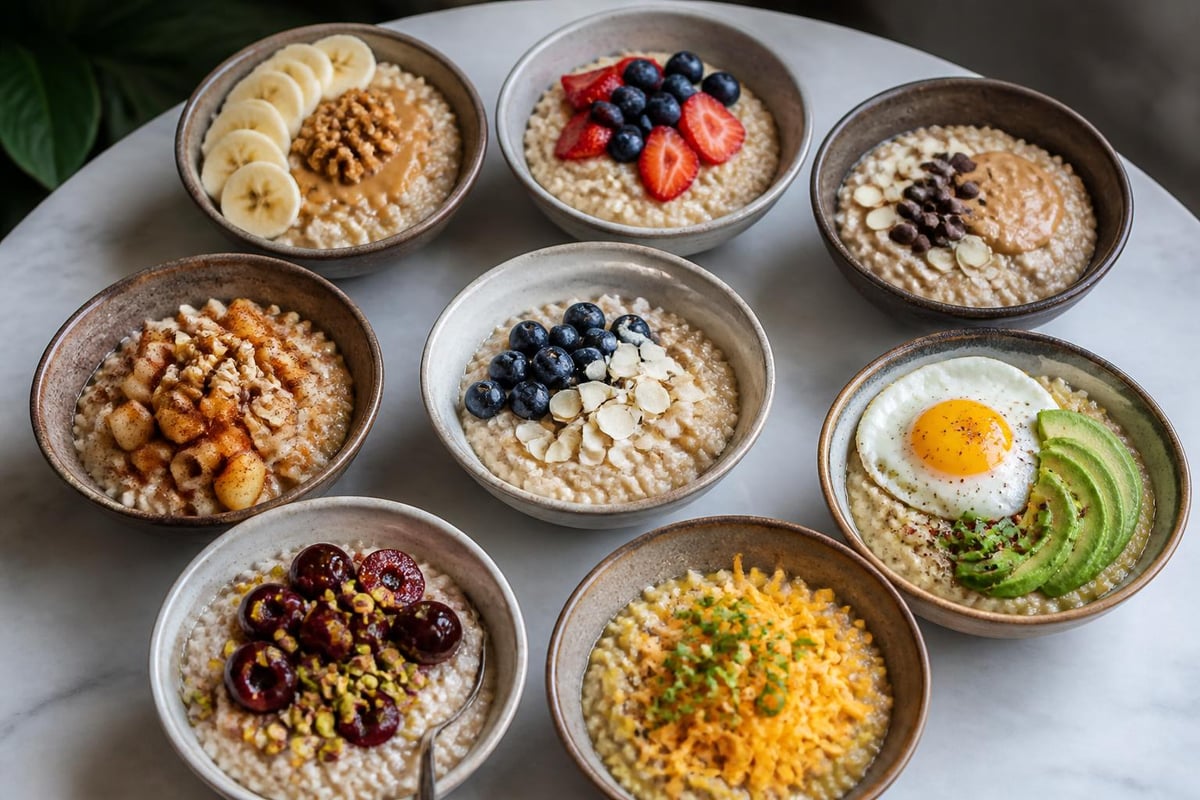
Apple Cinnamon Classic combines diced fresh apples, ground cinnamon, maple syrup, and chopped walnuts for a comforting fall-inspired bowl. Add the apples during the last few minutes of cooking to maintain texture.
Berry Bliss features mixed berries (fresh or frozen), vanilla extract, honey, and sliced almonds. This antioxidant-rich combination provides visual appeal and nutritional density.
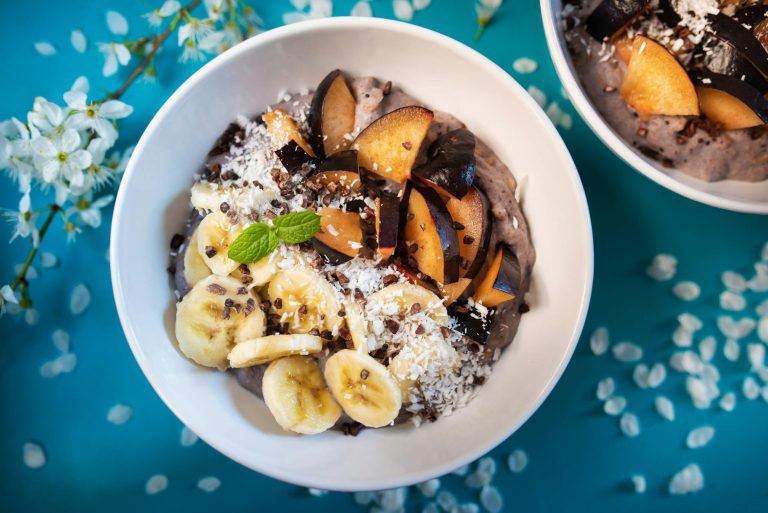
Banana Nut incorporates mashed banana directly into cooking oats for natural sweetness, topped with additional banana slices, peanut butter, and a sprinkle of dark chocolate chips.
Tropical Paradise brings vacation vibes with coconut milk as the cooking liquid, topped with fresh mango, toasted coconut flakes, macadamia nuts, and a drizzle of honey.
Savory Explorations
Not every oatmeal recipe needs sweetness. Savory oatmeal has gained popularity for its versatility and satisfying umami flavors.
Mushroom and Herb preparation uses vegetable broth instead of water, topped with sautéed mushrooms, fresh thyme, parmesan cheese, and a poached egg.
Mediterranean Style incorporates sun-dried tomatoes, feta cheese, olive oil, fresh basil, and cherry tomatoes for a breakfast that resembles risotto.
Asian-Inspired features soy sauce or tamari in the cooking liquid, topped with green onions, sesame seeds, nori strips, and a soft-boiled egg.
Advanced Techniques and Time-Saving Methods
Mastering various preparation methods expands your oatmeal recipe repertoire and accommodates different schedules and preferences. Each technique offers unique advantages worth exploring.
Overnight Oats
This no-cook method requires minimal effort and delivers maximum convenience. Combine rolled oats with liquid (milk or yogurt) in a 1:1 ratio, add desired mix-ins, refrigerate overnight, and enjoy cold or heated the next morning.
Advantages include:
- Zero morning preparation time
- Enhanced digestibility through soaking
- Customizable texture based on soaking duration
- Perfect for meal prep and busy schedules
Slow Cooker Method
Steel-cut oats particularly benefit from slow cooker preparation, which can run overnight for a ready breakfast. Use a 1:4 ratio of oats to liquid, cook on low for 7-8 hours, and wake up to perfectly cooked oatmeal.
Baked Oatmeal
Transform your standard oatmeal recipe into a casserole-style dish perfect for feeding crowds or meal prepping. Mix oats with milk, eggs, sweetener, and desired add-ins, bake at 350°F for 35-40 minutes, and cut into portions for easy reheating throughout the week.
This technique resembles the approach used in oatmeal bread recipes, where oats provide structure and nutrition to baked goods.
Seasonal Ingredient Integration
Adapting your oatmeal recipe to seasonal ingredients ensures optimal flavor and nutritional value while supporting local agriculture. Each season offers distinctive possibilities worth exploring.
Spring Selections
Strawberry Rhubarb combines tart rhubarb compote with fresh strawberries, creating a classic flavor pairing that signals warmer weather. Cook rhubarb with a touch of sugar until tender, then swirl into prepared oatmeal.
Lemon Poppy Seed brings brightness with fresh lemon zest, poppy seeds, and a drizzle of honey, perfect for lighter spring mornings.
Summer Bounty
Peach Cobbler oatmeal features grilled or fresh peaches, cinnamon, a crumble topping of granola, and vanilla yogurt for a dessert-inspired breakfast.
Berry Medley takes advantage of peak berry season with blackberries, raspberries, blueberries, and strawberries for maximum antioxidant content.
Autumn Comfort
Pumpkin Spice naturally dominates fall breakfast tables, incorporating pumpkin puree, warming spices, pecans, and maple syrup. This seasonal favorite rivals any American breakfast classic.
Caramel Apple features diced apples cooked with brown sugar and butter, creating a caramel-like sauce that transforms ordinary oatmeal into an indulgent treat.
Winter Warmth
Gingerbread oatmeal incorporates molasses, ground ginger, cinnamon, and nutmeg for a holiday-inspired breakfast that warms from the inside out.
Chocolate Cherry combines dried cherries, cocoa powder, and dark chocolate chips for a decadent winter morning treat.
Storage and Meal Prep Strategies
Preparing oatmeal in advance streamlines morning routines and ensures consistent healthy breakfasts throughout busy weeks. Proper storage maintains quality and flavor while maximizing convenience.
Batch Cooking Guidelines
Cook a large batch of steel-cut or rolled oats, portion into individual containers, and refrigerate for up to five days. Reheat with a splash of milk to restore creaminess and prevent drying out.
| Storage Method | Duration | Best For | Reheating |
|---|---|---|---|
| Refrigerator | 5 days | Cooked oatmeal | Microwave 1-2 min |
| Freezer | 3 months | Cooked portions | Thaw overnight, reheat |
| Dry mix | 6 months | Overnight oats | No reheating needed |
Individual portion prep works exceptionally well for busy families. Prepare mason jars with dry ingredients, add liquid each evening, and grab-and-go each morning. This approach works perfectly alongside other breakfast favorites in your meal rotation.
Dry Mix Assembly
Create custom dry oatmeal mixes combining oats, dried fruits, nuts, seeds, and spices in sealed containers. When ready to prepare, simply add the appropriate liquid ratio and cook according to oat type.
Sample mix combinations:
- Cranberry almond with cinnamon
- Coconut cashew with cardamom
- Date walnut with vanilla powder
- Apple cinnamon with flaxseed
Troubleshooting Common Oatmeal Issues
Even experienced cooks encounter occasional challenges when perfecting their oatmeal recipe. Understanding solutions to common problems ensures consistent results.
Texture Problems
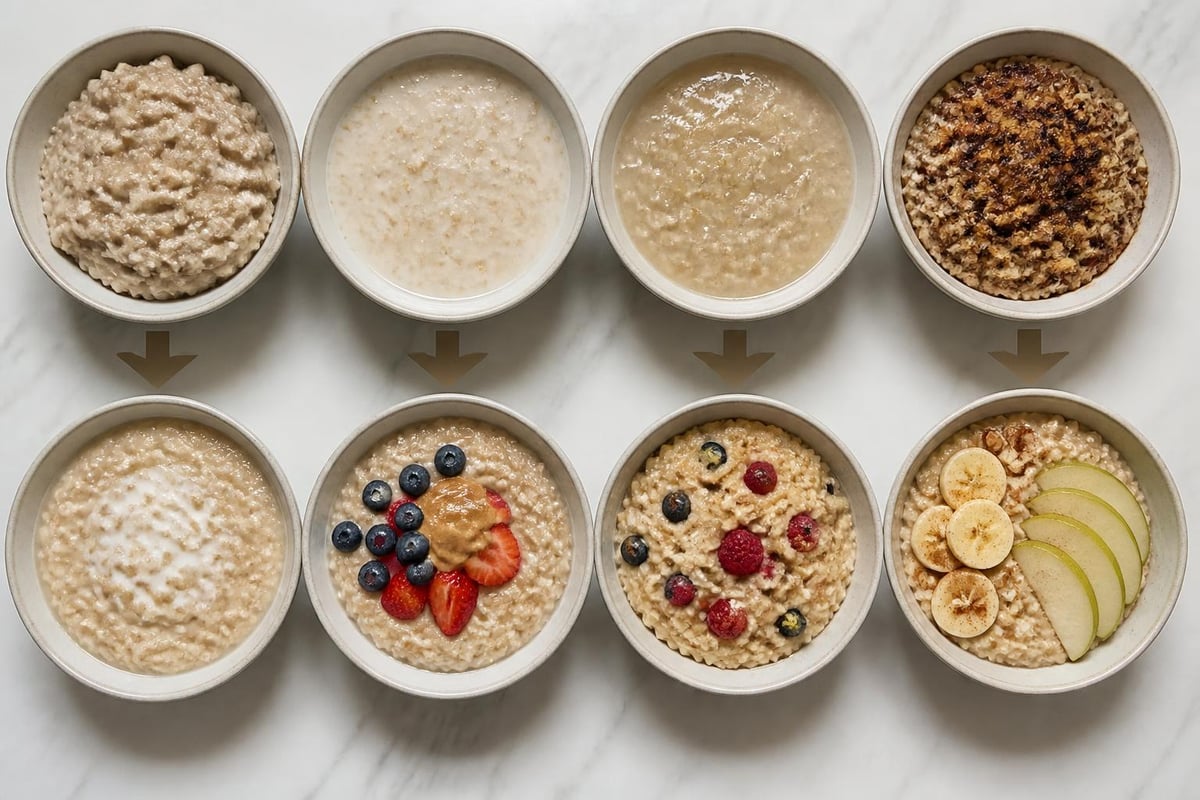
Too thick: Add liquid gradually while reheating, stirring constantly until desired consistency returns. Oatmeal continues absorbing liquid as it sits, making this a common issue with stored portions.
Too thin: Continue cooking uncovered to evaporate excess liquid, or stir in additional dry oats and cook for a few more minutes. Adding chia seeds also thickens oatmeal while boosting nutritional value.
Gluey consistency: Results from over-stirring or using instant oats when rolled oats were intended. Reduce stirring frequency and ensure you're using the correct oat variety for your preferred texture.
Flavor Enhancement
Bland taste: Salt is essential, even in sweet preparations. It enhances other flavors without making oatmeal taste salty. Additionally, toast oats in a dry pan before cooking to develop nutty depth.
Burnt bottom: Use medium-low heat and stir more frequently. A heavy-bottomed pan distributes heat evenly and prevents hot spots that cause burning.
Incorporating Oatmeal Beyond Breakfast
While breakfast remains oatmeal's primary domain, creative cooks find numerous applications throughout the day. Expanding your oatmeal recipe collection to include non-breakfast items maximizes this ingredient's versatility.
Savory Lunch Options
Oat risotto substitutes steel-cut oats for arborio rice, creating a fiber-rich alternative that pairs beautifully with seasonal vegetables and protein. The technique mirrors traditional risotto preparation, with gradual liquid addition and constant stirring.
Oatmeal bowls function as grain bowl bases, topped with roasted vegetables, proteins, and flavorful sauces for satisfying lunches. This approach connects to broader recipe exploration possibilities.
Snack Applications
Energy balls combine uncooked oats with nut butter, honey, and mix-ins like chocolate chips or dried fruit. Roll into balls and refrigerate for grab-and-go snacks.
Oat bars transform your standard oatmeal recipe into portable snacks through baking with binding ingredients like eggs, mashed banana, or nut butter.
Dessert Innovations
Oatmeal cookies represent the most recognized dessert application, though opportunities extend further. Oat crumbles top fruit crisps and cobblers, while ground oats create gluten-free flour alternatives for various baked goods.
Historical oat recipes demonstrate centuries of creative applications beyond simple porridge, inspiring modern interpretations.
Pairing Oatmeal with Complete Breakfasts
While an oatmeal recipe can stand alone as a complete breakfast, strategic pairings create balanced meals that satisfy diverse nutritional needs and preferences. Building breakfast menus around oatmeal ensures variety while maintaining health-focused priorities.
Protein Additions
Eggs provide the perfect protein complement to oatmeal's carbohydrate content. Serve a savory oatmeal bowl alongside scrambled eggs, or top sweet oatmeal with a hard-boiled egg for an unconventional but nutritious combination.
Greek yogurt stirred into oatmeal or served alongside adds protein and probiotics while creating extra creaminess. This combination works particularly well with fruit-based variations.
Nut butter swirled into warm oatmeal melts slightly, creating luxurious richness while contributing healthy fats and protein. Almond, peanut, cashew, and sunflower seed butters all work beautifully.
Beverage Companions
Coffee or tea provides classic accompaniment, with the beverage's temperature and flavor complementing oatmeal's warmth. Consider matching flavor profiles, like chai tea with spiced oatmeal or coffee with chocolate variations.
Fresh juice adds vitamin C and brightness to hearty oatmeal meals. Orange juice particularly complements berry or citrus-based oatmeal recipes.
Smoothies create complete breakfast spreads when paired with simpler oatmeal preparations. The combination ensures adequate fruit, vegetable, and whole grain intake.
Cultural Variations and Global Interpretations
While often associated with Scottish and Irish traditions, oatmeal recipes exist across numerous cultures, each bringing unique perspectives and flavor profiles. Exploring these variations broadens breakfast possibilities and connects cooking to global culinary heritage.
Scottish Porridge
Traditional Scottish porridge uses steel-cut oats, water, and salt exclusively, served with cream and additional salt on the side. This minimalist approach allows oat flavor to shine while demonstrating the grain's inherent richness.
Irish Oatmeal
Similar to Scottish preparation but often using milk instead of water, Irish oatmeal emphasizes creaminess. Some recipes incorporate butter for additional richness, creating a luxurious breakfast despite simple ingredients.
Swedish Gröt
This Scandinavian interpretation often includes lingonberries and a pat of butter, served with milk on the side. The tart berries provide sharp contrast to oatmeal's natural sweetness.
Asian Congee-Style
While technically rice-based, congee's savory porridge concept translates beautifully to oats. Using broth instead of water and topping with traditional congee accompaniments (scallions, sesame oil, preserved vegetables) creates fusion breakfast possibilities.
Mastering an oatmeal recipe opens endless possibilities for nutritious, satisfying meals that adapt to personal preferences, dietary needs, and seasonal ingredients. Whether you prefer classic preparations or creative variations, this versatile grain delivers consistent nutrition and comfort throughout the year. When you're ready to expand beyond oatmeal and explore diverse recipes that bring your family together around the table, World Recipe Club offers an extensive collection of easy-to-follow recipes across multiple cuisines and categories, ensuring every meal becomes an opportunity for connection and culinary discovery.
Article written using RankPill.