Homemade Brioche Cinnamon Rolls
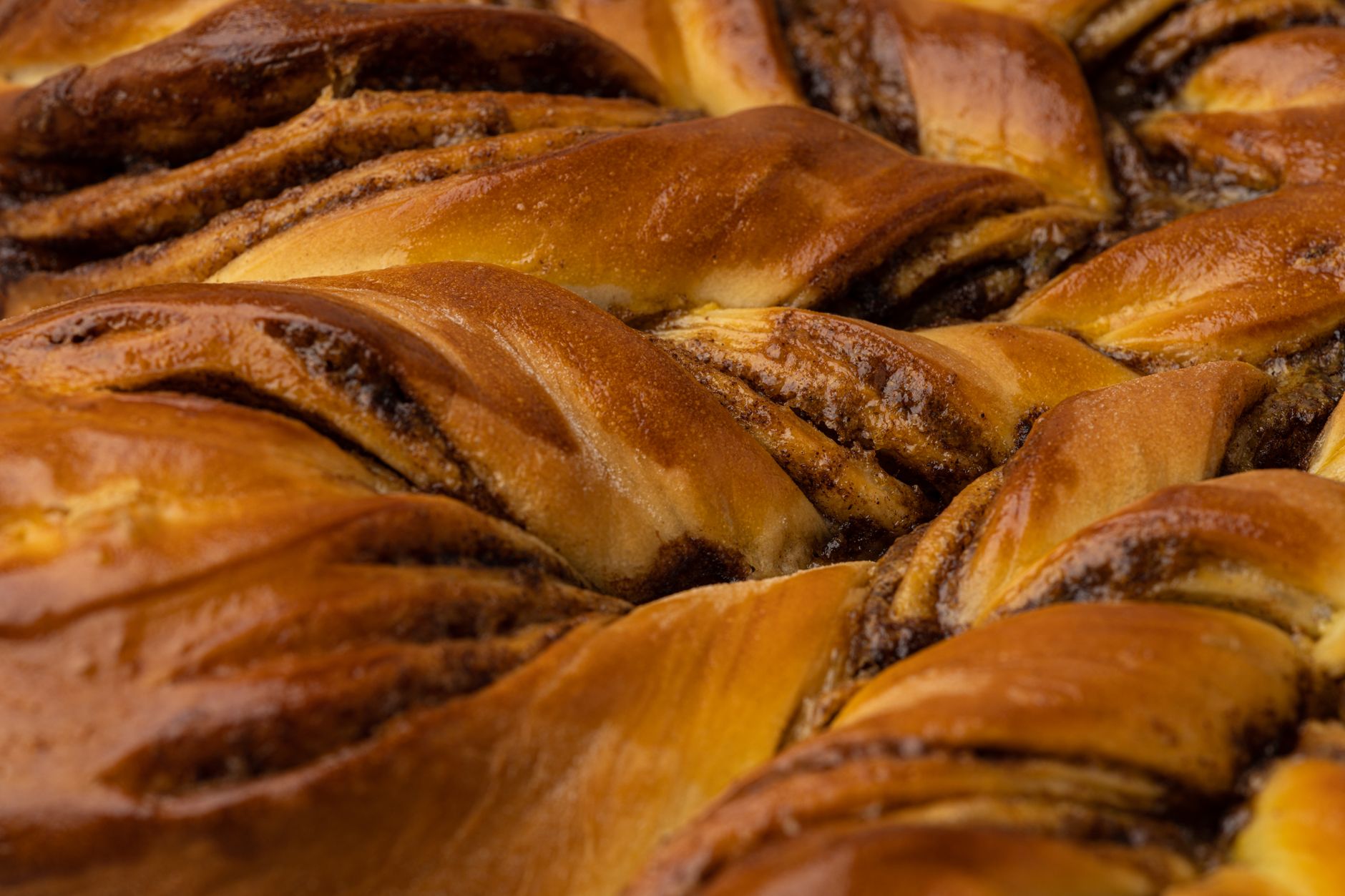
These homemade brioche cinnamon rolls are the kind of cozy weekend baking project that makes your whole kitchen smell like a bakery. Buttery, cloud-soft dough, swirls of warm cinnamon sugar, and a tangy cream cheese icing on top—this is the brunch recipe friends will beg you to share.
Why You’ll Love These Homemade Brioche Cinnamon Rolls
- Bakery-style texture: Extra-rich brioche dough makes rolls that are soft, fluffy, and tender all the way through.
- Overnight friendly: Prep the rolls the night before so all you do in the morning is bake and glaze.
- Foolproof method: Clear, step-by-step instructions designed for home bakers, no fancy equipment required. Learn more about yeast baking basics for best results.
- Perfect for holidays & weekends: Ideal for Christmas morning, Easter brunch, or any cozy Sunday breakfast.
Ingredients
- 3/4 cup (180 ml) whole milk (warmed to 38–40°C / 100–105°F)
- 2 1/4 tsp (7 g) active dry yeast (one standard packet)
- 1/3 cup (65 g) granulated sugar (for dough)
- 3 large eggs (room temperature)
- 1/2 cup (115 g) unsalted butter (softened, for dough)
- 3 1/2–4 cups (420–480 g) all-purpose flour (spooned and leveled)
- 1 tsp fine sea salt (for dough)
- 3/4 cup (150 g) brown sugar (packed, for filling)
- 2 1/2 tbsp ground cinnamon (for filling)
- 1/3 cup (75 g) unsalted butter (softened, for filling)
- 115 g (4 oz) cream cheese (block style, softened)
- 3 tbsp (40 g) unsalted butter (softened, for icing)
- 1 1/2 cups (180 g) powdered sugar (sifted for icing)
- 2 tsp vanilla extract (divided between dough and icing if desired)
- 2–3 tbsp (30–45 ml) whole milk or cream (to thin icing)
- pinch optional salt (in icing to balance sweetness)
- 1–2 tsp neutral oil or butter (for greasing bowl and pan)
How to Make Homemade Brioche Cinnamon Rolls
- Proof the yeast: In a small bowl or measuring jug, combine the warmed whole milk (38–40°C / 100–105°F) and 1 tablespoon of the granulated sugar. Sprinkle the active dry yeast over the top, stir gently, and let sit for 5–10 minutes until foamy and creamy.
- Mix the wet ingredients: In the bowl of a stand mixer fitted with the dough hook (or a large mixing bowl if working by hand), whisk together the remaining granulated sugar and eggs until smooth. Add the foamy yeast mixture and vanilla extract (if using) and whisk again to combine.
- Add dry ingredients: Add 3 1/2 cups (420 g) of the all-purpose flour and the fine sea salt to the bowl. Mix on low speed, or stir with a wooden spoon, until a shaggy dough forms and no dry pockets of flour remain.
- Incorporate the butter: With the mixer on medium-low (or while kneading by hand), add the softened butter for the dough, 1 tablespoon at a time, allowing each addition to fully incorporate before adding the next. The dough will look sticky and soft at first; keep mixing until the butter is fully absorbed.
- Knead until smooth: Continue kneading the dough on medium speed for 8–10 minutes, or by hand on a lightly floured surface for 10–12 minutes, until it becomes smooth, elastic, and slightly tacky but not overly sticky. If the dough is very sticky, add up to 1/2 cup (60 g) additional flour, 1 tablespoon at a time, just until it clears the sides of the bowl but still clings slightly to the bottom.
- First rise: Lightly grease a large bowl with neutral oil or softened butter. Shape the dough into a ball, place it in the bowl, and turn once to coat. Cover tightly with plastic wrap or a clean kitchen towel and let rise in a warm, draft-free place for 1–1 1/2 hours, or until doubled in size.
- Prepare the filling: While the dough rises, stir together the brown sugar and ground cinnamon in a small bowl. Set aside. Ensure the butter for the filling is very soft and spreadable.
- Prepare the pan: Grease a 23×33 cm (9×13-inch) baking pan with butter or line with parchment paper, leaving an overhang for easy removal.
- Roll out the dough: Once doubled, gently punch down the dough to release air. Turn it out onto a lightly floured surface and roll into a large rectangle about 30×45 cm (12×18 inches), with the long side facing you. Aim for an even thickness of about 6–8 mm (1/4 inch).
- Add the filling: Spread the softened butter for the filling evenly over the dough, leaving a 1.5 cm (1/2-inch) border along the long edge farthest from you. Sprinkle the cinnamon-sugar mixture evenly over the butter, pressing it lightly into the dough.
- Shape the log: Starting from the long edge closest to you, roll the dough tightly into a log, keeping the roll as even as possible. When you reach the end, pinch the seam firmly to seal and roll the log seam-side down.
- Cut the rolls: Trim the ends if they are uneven. Using a sharp knife or unflavored dental floss, cut the log into 12 even pieces, each about 3.5–4 cm (1 1/2 inches) thick. Arrange the rolls in the prepared baking pan, leaving a little space between each for rising.
- Second rise (same day option): Cover the pan loosely with plastic wrap or a kitchen towel and let the rolls rise at room temperature for 35–45 minutes, or until puffy and nearly doubled. They should be touching or almost touching in the pan.
- Overnight option: For overnight brioche cinnamon rolls, cover the pan tightly and refrigerate for at least 8 hours and up to 16 hours. In the morning, remove from the fridge and let sit at room temperature for 45–60 minutes until visibly puffy before baking.
- Preheat the oven: About 20 minutes before baking, preheat the oven to 180°C (350°F) with a rack in the center position.
- Bake: Bake the cinnamon rolls for 22–28 minutes, or until lightly golden brown on top and the centers register about 90°C (195°F) when checked with an instant-read thermometer. If the tops are browning too quickly, loosely tent the pan with foil for the last 5–10 minutes.
- Make the cream cheese icing: While the rolls bake, beat the softened cream cheese and butter together in a medium bowl until smooth and creamy. Sift in the powdered sugar, add vanilla extract and a pinch of salt, and beat until thick and smooth. Add milk or cream 1 tablespoon at a time until you reach a pourable but spreadable consistency.
- Ice the warm rolls: Let the rolls cool in the pan for about 10–15 minutes, then spread or drizzle the cream cheese icing generously over the warm rolls so it melts into the swirls.
- Serve: Serve slightly warm for the softest, fluffiest texture. For clean swirls, let the rolls cool further before slicing and serving, then rewarm briefly if desired.
Pro Tips for Perfect Homemade Brioche Cinnamon Rolls
- Use room-temperature ingredients: Cold eggs or butter can slow the rise and make the dough harder to knead, so let them sit out before starting.
- Don’t over-flour the dough: Brioche should stay soft and slightly tacky; add just enough flour so it can be handled without sticking excessively.
- Try seasonal twists: Add orange zest to the filling for a holiday vibe, or swirl in a spoonful of apple butter or pumpkin purée for a fall-inspired roll.
- Make them ahead: Shape and refrigerate overnight, or bake fully, cool, and freeze in an airtight container for up to 2 months; reheat gently and ice before serving.
Storage & Serving
Store leftover homemade brioche cinnamon rolls covered at room temperature for up to 1 day, or in an airtight container in the refrigerator for 3–4 days. Rewarm individual rolls in the microwave for 15–20 seconds or in a 160°C (325°F) oven for 8–10 minutes until soft and warm. For longer storage, freeze baked, un-iced rolls tightly wrapped for up to 2 months; thaw overnight in the fridge, warm in the oven, then top with fresh cream cheese icing. Serve them warm for brunch with coffee, tea, or a simple fruit salad to balance the richness.
Nutrition (per serving)
Calories: 380 | Protein: 7g | Carbs: 51g | Fat: 16g | Fiber: 2g
Frequently Asked Questions
Can I knead the dough without a stand mixer?
Yes. Brioche dough is soft and enriched, so it takes a bit of effort, but it can be kneaded by hand. Use a lightly floured surface and knead for 10–12 minutes, scraping the dough back together as needed, until it becomes smooth, elastic, and slightly tacky.
Can I use instant yeast instead of active dry yeast?
You can substitute the active dry yeast with the same amount of instant yeast. Skip the proofing step and mix the instant yeast directly with the flour and salt, then proceed with the recipe, watching the dough rather than the clock for rise times.
How do I know when the dough has been kneaded enough?
Properly kneaded brioche dough should be smooth and stretchy. When you gently stretch a small piece between your fingers, it should form a thin, almost translucent "windowpane" without tearing easily. It will still feel slightly tacky but should not stick heavily to your hands.
Can I make smaller or larger cinnamon rolls?
Yes. For mini rolls, roll the dough into a slightly longer log and slice into thinner pieces, reducing the baking time by a few minutes. For extra-large bakery-style rolls, cut into 8–9 pieces instead of 12 and extend baking by 3–5 minutes, covering the top if it browns too quickly.
What if my cinnamon rolls don’t rise?
If the rolls are slow to rise, your kitchen may be too cool or the yeast may be old. Move the pan to a warmer spot, such as near (but not on) a preheating oven, and allow more time. Always check that your yeast is fresh and that your milk was warm, not hot, so it doesn’t kill the yeast.
You Might Also Like
- easy brunch baking recipes
- make ahead holiday breakfast
- best cinnamon rolls from scratch