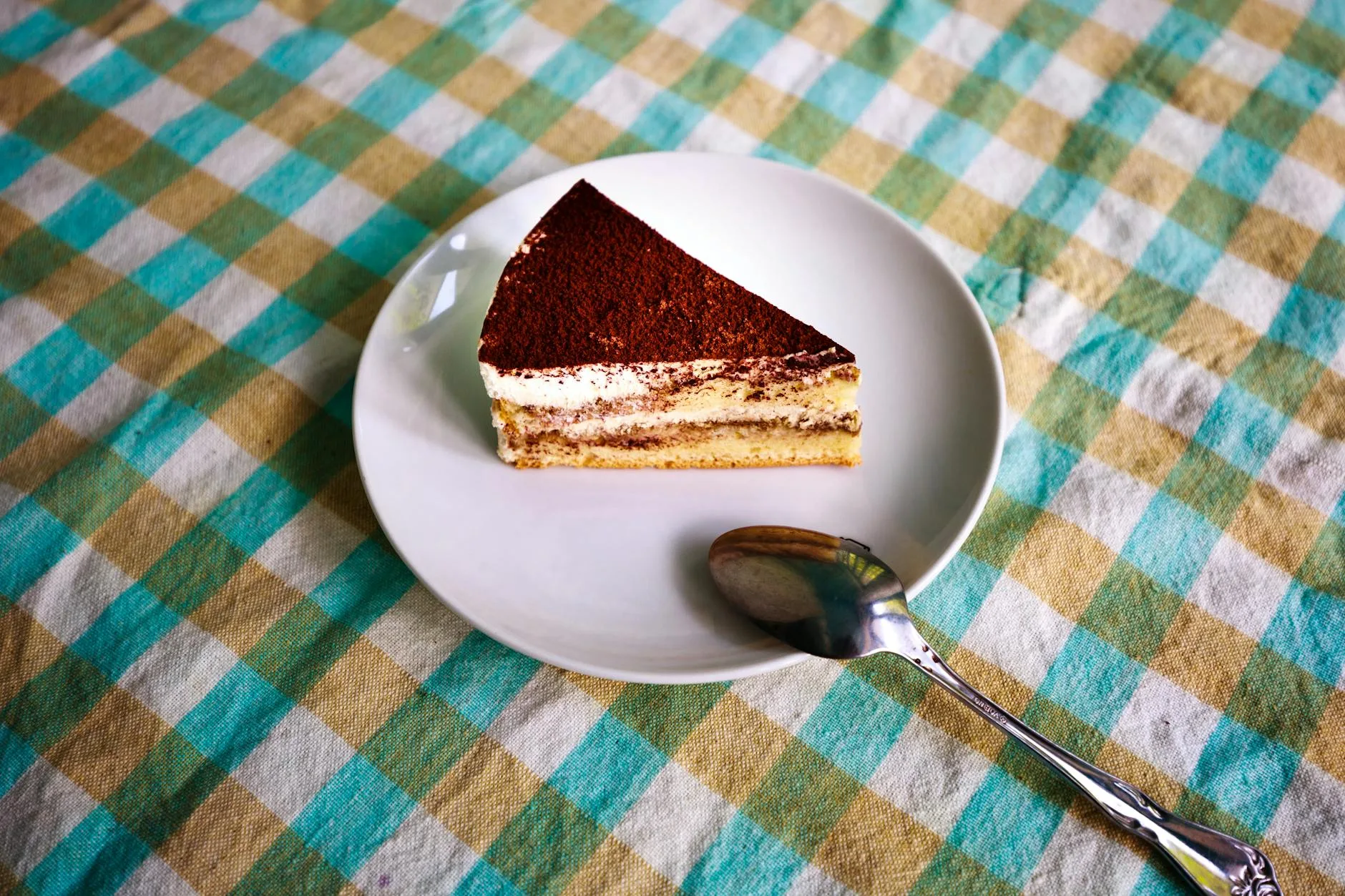
Classic Tiramisu
Tiramisu is ladyfingers dipped in strong coffee, layered with a cream of mascarpone, egg yolks and sugar, and dusted with cocoa. It needs no oven, but it does need time in the fridge, at least 6 hours, for the biscuits to soften and the layers to set into something you can slice.
It comes from north-east Italy. The Veneto and Friuli Venezia Giulia both claim it, and most accounts date it to the 1960s or 70s. The classic version is made with raw eggs, which raises the obvious question of safety, so that comes first here.
Raw eggs: the safe options
Raw eggs carry a small risk of salmonella. For most healthy adults the risk from fresh, properly stored eggs is low, but raw-egg desserts are not recommended for anyone pregnant, young children, older people or anyone with a weakened immune system. If you’re serving any of them, or you’re unsure about your guests, use one of these two options:
- Cook the yolks. Whisk them with the sugar over simmering water until they reach 71°C (160°F), the temperature at which eggs are considered safe. They thicken into a light custard, like a zabaglione, and set the cream slightly better than raw yolks. Whipped cream replaces the whipped egg whites. This is the main recipe below.
- Use pasteurised eggs. Eggs heated in their shells to kill bacteria without cooking them are sold in many supermarkets; check the label. In the UK, the Food Standards Agency advises that eggs with the British Lion mark are safe to eat raw, even for vulnerable groups. With pasteurised eggs you can make the traditional raw version; see the second method further down.
Ingredients (cooked-yolk tiramisu)
Makes one 23 cm (9 in) square or 20 x 28 cm (8 x 11 in) dish, about 9 portions.
Mascarpone cream
- 5 large egg yolks
- 100 g (½ cup) granulated sugar
- 2 tbsp (30 ml) Marsala, or water
- 450 g (16 oz / 2 cups) mascarpone, cold
- 300 ml (1 ¼ cups) heavy cream (double or whipping cream, 35–40% fat), cold
- 1 tsp vanilla extract (optional)
Coffee and layers
- 360 ml (1 ½ cups) strong espresso or very strong coffee, cooled to room temperature
- 2 tbsp (30 ml) Marsala, dark rum or coffee liqueur (optional)
- About 24 crisp savoiardi ladyfingers (200 g / 7 oz)
- 2–3 tbsp unsweetened cocoa powder, for dusting
- 30 g (1 oz) dark chocolate, finely grated (optional)
Method
- Make the coffee. Mix the cooled coffee with the alcohol, if using, in a shallow dish. Let it cool completely; warm coffee makes the biscuits collapse.
- Cook the yolks. Bring 2.5 cm (1 in) of water to a bare simmer in a saucepan. In a heatproof bowl that fits over the pan without touching the water, whisk the yolks, sugar and Marsala. Set it over the pan and whisk constantly for 5–7 minutes, until the mixture is pale, thick, roughly doubled, and falls from the whisk in a ribbon that sits on the surface for a moment. Check with a thermometer: it should reach 71°C (160°F). Take it off the heat and keep whisking for a minute, then let it cool to room temperature, about 15 minutes. Stir now and then.
- Loosen the mascarpone. In a large bowl, stir the mascarpone with a spatula until smooth. Add the cooled yolk mixture and vanilla and stir or beat on low speed just until blended. Mascarpone splits and turns grainy if it’s beaten too long or hard.
- Whip the cream. In another bowl, whip the cream to soft-to-medium peaks: it should hold its shape but the tips should still curl over.
- Fold. Fold the cream into the mascarpone mixture in two additions with a spatula, until evenly combined and fluffy.
- Dip. Dip each ladyfinger into the coffee, one side and then the other, for about 1 second per side. Don’t soak them. They should be wet on the outside and still crisp in the middle; they keep absorbing moisture from the cream in the fridge.
- Layer. Lay half the dipped biscuits in one tight layer in the dish, breaking some to fill gaps. Spread half the cream evenly over them. Repeat with the rest of the biscuits and cream, smoothing the top.
- Chill. Cover and refrigerate for at least 6 hours, and ideally overnight.
- Finish. Just before serving, dust generously with cocoa through a fine sieve and scatter over the chocolate. Cocoa added too early absorbs moisture and turns dark and patchy.
To serve, cut with a sharp knife dipped in hot water and lift out portions with a cake server. The first piece is always the messiest.
Traditional method with pasteurised eggs
This version uses no cream; whipped egg whites lighten the mascarpone. It gives a lighter, more mousse-like tiramisu.
- 4 large pasteurised eggs, separated
- 100 g (½ cup) granulated sugar, divided
- 500 g (17 ½ oz) mascarpone
- Pinch of salt
- The coffee, ladyfingers and cocoa as above
- Beat the yolks with 75 g (⅓ cup + 2 tsp) of the sugar for 3–4 minutes, until pale and thick.
- Add the mascarpone and beat on low just until smooth.
- In a clean, grease-free bowl, whip the whites with the salt until foamy, then add the remaining 25 g (2 tbsp) of sugar gradually and whip to firm, glossy peaks. Pasteurised whites can take twice as long to whip as ordinary ones, so be patient.
- Fold the whites into the mascarpone in three additions, gently, keeping as much air as possible.
- Layer, chill and finish as above.
Pasteurised liquid egg whites sold in cartons often whip poorly. If you use them, look for ones labelled as suitable for whipping.
Common mistakes
- Soggy, wet base. The biscuits were soaked too long, or the coffee was warm. One quick dip on each side is enough.
- Runny cream. Under-whipped cream or whites, or cream that was overmixed when folding. It can also happen if the tiramisu isn’t chilled long enough.
- Grainy cream. Overbeaten mascarpone. Stir gently, and keep it cold.
- Soft sponge fingers. Bakery-style soft ladyfingers dissolve. Use crisp, dry savoiardi.
- Scrambled yolks. The bowl touched the water or you stopped whisking. Keep the water at a bare simmer and whisk constantly.
Variations
- Alcohol-free: leave out the Marsala and liqueur; use water in the yolks. The tiramisu is just as good.
- Decaf: use decaffeinated espresso if you’re serving children or late in the evening. Note that the cocoa and chocolate still contain small amounts of caffeine.
- Individual portions: layer broken biscuits and cream in 8 glasses. They set in about 4 hours.
- Berry version: swap the coffee for strained raspberry or strawberry purée thinned with a little orange juice, and layer with fresh berries. It’s not classic, but it’s good in summer.
Make ahead and storage
Tiramisu is best made the day before. Covered tightly, it keeps in the fridge for up to 3 days; after that the biscuits get too soft. Dust with cocoa only before serving.
It also freezes surprisingly well. Wrap the undusted dish in cling film and foil and freeze for up to 1 month. Thaw overnight in the fridge, then dust and serve. The texture is slightly denser but still very good.
Don’t leave it at room temperature for more than 2 hours, since it’s made with dairy and eggs.
Serving
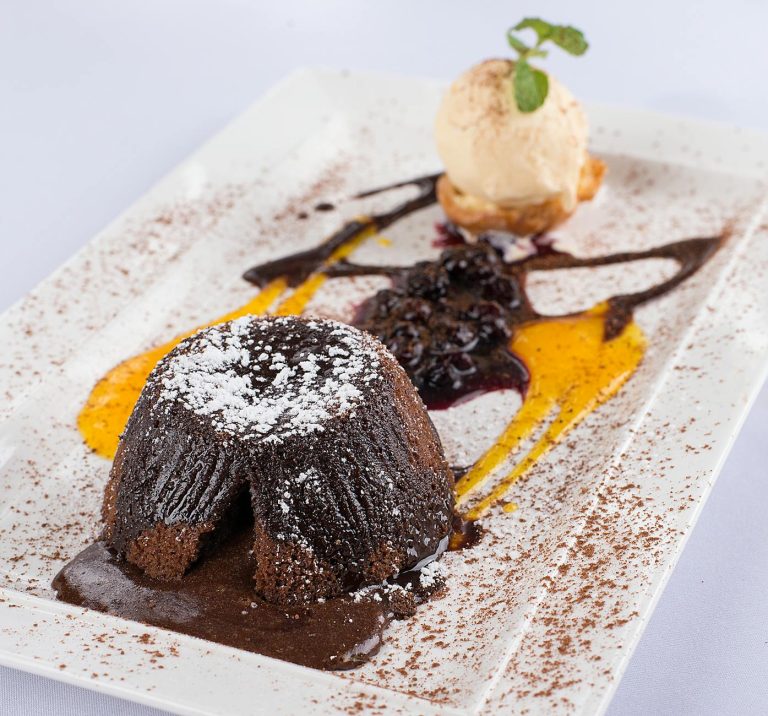
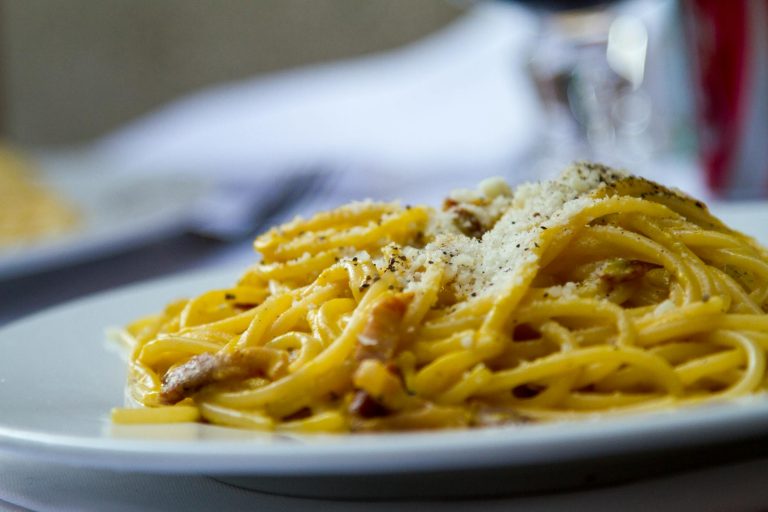
Serve it cold, straight from the fridge, with espresso. It’s rich, so smaller squares go a long way. It’s an obvious ending after an Italian meal like our authentic Italian carbonara. For a warm dessert instead, our chocolate lava cakes take under 30 minutes.
For more on cooling, freezing and reheating, see our make-ahead, storage and freezing guide.
Classic Tiramisu
Ingredients
- 5 large egg yolks
- 100 g granulated sugar ½ cup
- 2 tbsp Marsala or water 30 ml
- 450 g mascarpone 16 oz / 2 cups, cold
- 300 ml heavy cream (35–40% fat) 1 ¼ cups, cold
- 1 tsp vanilla extract optional
- 360 ml strong espresso or very strong coffee 1 ½ cups, cooled
- 2 tbsp Marsala, dark rum or coffee liqueur 30 ml, optional
- about 24 crisp savoiardi ladyfingers 200 g / 7 oz
- 2–3 tbsp unsweetened cocoa powder
- 30 g dark chocolate 1 oz, finely grated, optional
Instructions
- Mix the cooled coffee with the alcohol, if using, in a shallow dish.
- Whisk the yolks, sugar and Marsala in a heatproof bowl over barely simmering water, whisking constantly 5–7 minutes until pale, thick, ribboning and 71°C (160°F). Whisk off the heat 1 minute, then cool about 15 minutes.
- Stir the mascarpone smooth, then stir in the cooled yolk mixture and vanilla just until blended.
- Whip the cream to soft-to-medium peaks and fold it into the mascarpone mixture in two additions.
- Dip each ladyfinger in the coffee for about 1 second per side and lay half in one tight layer in the dish.
- Spread over half the cream. Repeat with the remaining ladyfingers and cream.
- Cover and refrigerate at least 6 hours, ideally overnight.
- Just before serving, dust with cocoa through a fine sieve and add the grated chocolate.
Notes
Photo: Quang Nguyen Vinh on Pexels