Easy Korean Bulgogi Beef Bowl (30 Minutes)
If you love takeout-style Korean flavors but don't want the wait (or the bill), this Korean bulgogi beef bowl is your new weeknight hero. It's sweet, savory, garlicky, and comes together in about 30 minutes with pantry staples and a pack of ground beef. Bulgogi is one of the most popular Korean dishes, celebrated worldwide for its sweet and savory flavors.
Why You’ll Love This Korean Bulgogi Beef Bowl
- Fast weeknight dinner: Done in about 30 minutes, perfect for busy nights.
- Everyday ingredients: Uses ground beef and simple pantry sauces for bulgogi flavor without marinating steaks.
- Balanced bowl: Protein, rice, and fresh veggies all in one satisfying, customizable bowl.
- Great for meal prep: Reheats well for make-ahead lunches or dinners all week.
Ingredients
- 1 1/2 cups (285g) uncooked white rice (jasmine or short-grain, rinsed)
- 2 cups (480ml), plus more as needed water (for cooking rice)
- 1 tablespoon (15ml) neutral oil (avocado, canola, or vegetable)
- 1 lb (450g) ground beef (80–90% lean)
- 1 small, about 1/2 cup (75g), finely diced yellow onion
- 4 cloves, minced garlic
- 1 tablespoon (10g), finely grated fresh ginger
- 1/4 cup (60ml) low-sodium soy sauce (or tamari for gluten-free)
- 3 tablespoons (38g), packed brown sugar (light or dark)
- 1 1/2 tablespoons (22ml) sesame oil (toasted for best flavor)
- 1 tablespoon (15ml) rice vinegar (or apple cider vinegar)
- 1–2 tablespoons (18–36g) gochujang (Korean chili paste, adjust to heat preference)
- 1/2 teaspoon black pepper (freshly ground)
- 1/4 teaspoon, optional red pepper flakes (for extra heat)
- 1 medium, about 1 cup (100g), julienned or shredded carrot
- 1 small, about 1 cup (120g), thinly sliced or matchsticks cucumber (Persian or English)
- 3, thinly sliced green onions (white and green parts, divided)
- 1 tablespoon (9g) sesame seeds (toasted, for garnish)
- 1/2–1 cup (120–240g) kimchi (optional, for serving)
- 4, optional fried eggs (one per bowl, sunny-side up or to taste)
Instructions
- Cook the rice. In a medium saucepan, combine the rinsed rice and 2 cups (480ml) of water. Bring to a boil over medium-high heat, then reduce the heat to low, cover, and simmer for 15–18 minutes until the water is absorbed and the rice is tender. Remove from heat and let stand, covered, for 5–10 minutes. Fluff with a fork.
- Prep the vegetables and aromatics while the rice cooks. Julienne or shred the carrot, thinly slice the cucumber, and slice the green onions, keeping the white and green parts separate. Mince the garlic and grate the ginger.
- Make the bulgogi sauce. In a small bowl, whisk together the soy sauce, brown sugar, sesame oil, rice vinegar, gochujang, and black pepper until the sugar dissolves. Taste and adjust sweetness or heat as desired.
- Brown the beef. Heat the neutral oil in a large skillet or sauté pan over medium-high heat. Add the ground beef and cook, breaking it apart with a spatula, for 4–6 minutes until mostly browned and no longer pink. Drain off excess fat if needed, leaving about 1 tablespoon in the pan for flavor.
- Add aromatics. Reduce the heat to medium. Add the diced onion, minced garlic, and grated ginger to the skillet with the beef. Cook, stirring frequently, for 2–3 minutes until the onion softens and the mixture smells fragrant.
- Sauce the beef. Pour the bulgogi sauce into the skillet, stirring to coat the beef evenly. Cook for 2–4 minutes, stirring occasionally, until the sauce thickens slightly and clings to the meat. If using, stir in the red pepper flakes. Turn off the heat and stir in half of the sliced green onion tops.
- Optional eggs. If topping with fried eggs, heat a little oil in a nonstick pan over medium heat. Crack in the eggs and cook to your preferred doneness (sunny-side up is classic), seasoning lightly with salt and pepper.
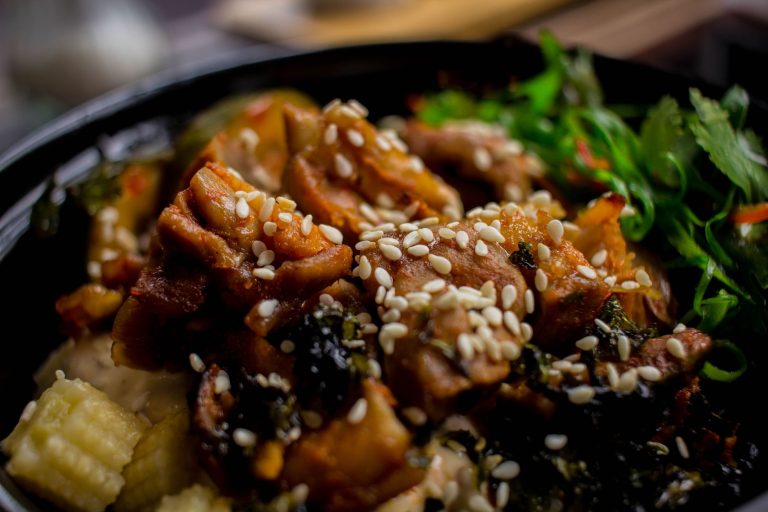
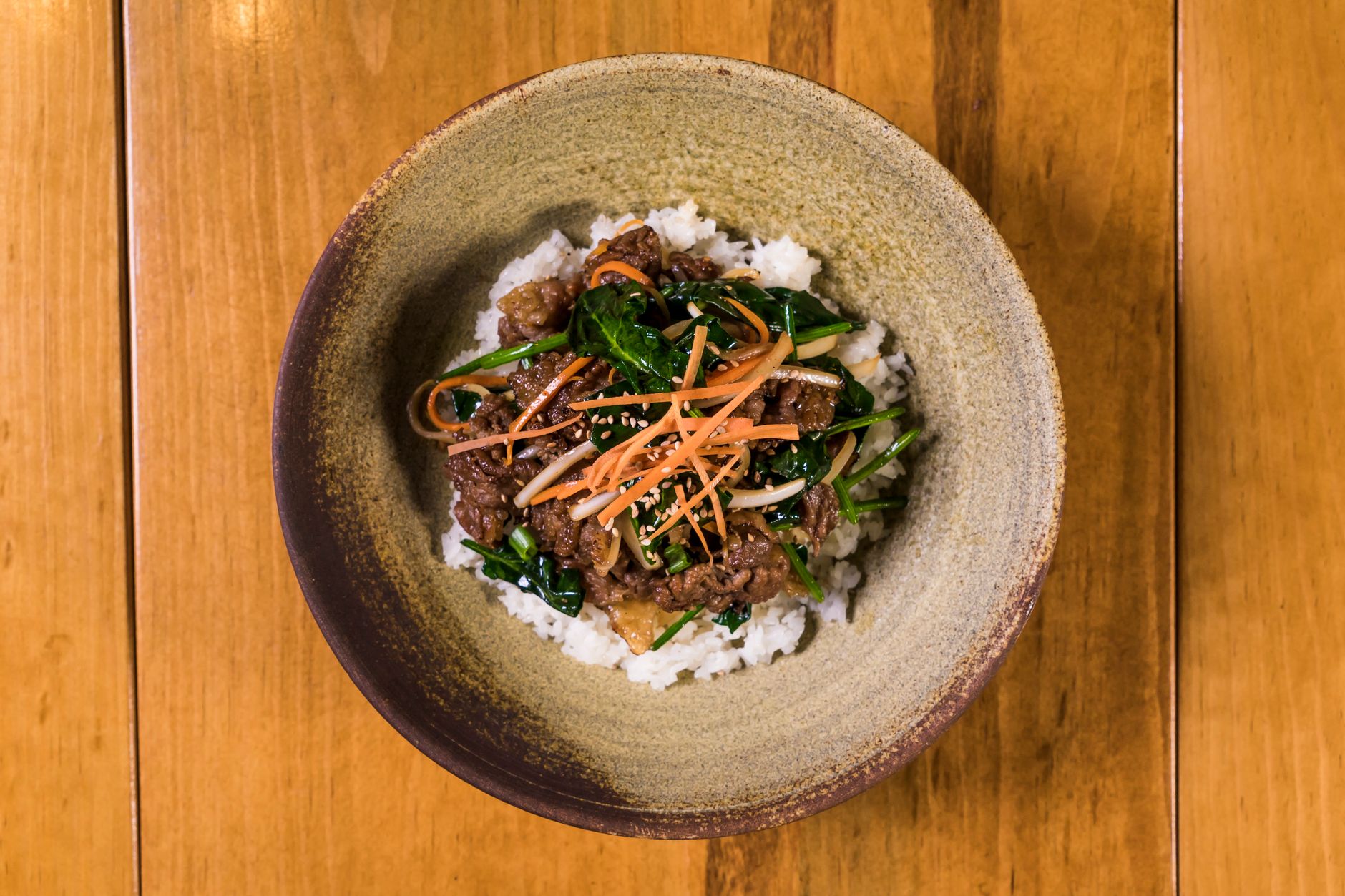
- Assemble the bowls. Divide the cooked rice among 4 bowls. Spoon the bulgogi beef over the rice. Arrange the carrot and cucumber on the sides of each bowl. Add a spoonful of kimchi if using.
- Garnish and serve. Top each bowl with a sprinkle of sesame seeds and the remaining sliced green onions. Add a fried egg to each bowl if desired. Serve immediately, letting everyone mix the components together as they eat.
Pro Tips for the Best Korean Bulgogi Beef Bowl
These tips will help you make the perfect Korean bulgogi beef bowl every time.
- Use day-old rice for extra texture: If you have leftover cooked rice, reheat it for a slightly chewier, takeout-style bowl.
- Swap in other proteins: Ground turkey, chicken, or plant-based crumbles all work with the same bulgogi sauce.
- Make it extra saucy: Double the sauce ingredients if you love more moisture over your rice or plan to meal prep.
- Seasonal veggie upgrade: In spring and summer, add thinly sliced radishes and shredded lettuce; in fall and winter, try sautéed mushrooms or steamed broccoli.
Storage & Serving
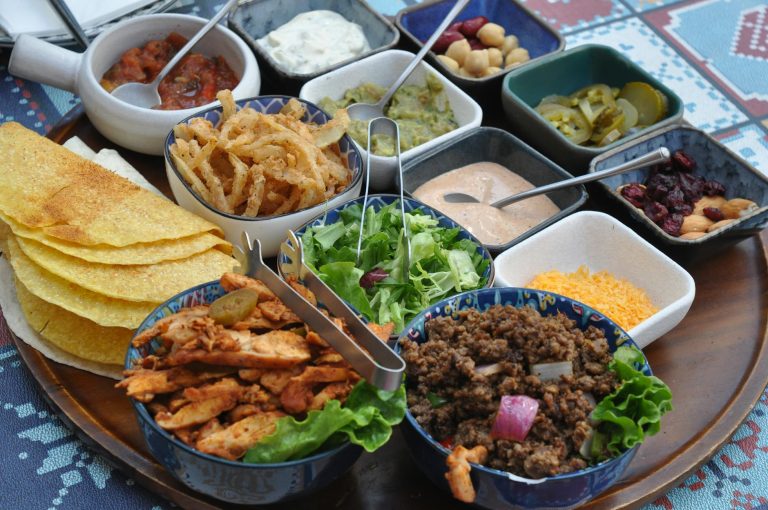
Your Korean bulgogi beef bowl stores well for meal prep. To keep it fresh, cool the bulgogi beef and rice completely, then portion into airtight containers, keeping the fresh veggies and any fried eggs separate for the best texture. Refrigerate the beef and rice for up to 4 days. Reheat in the microwave with a splash of water until steaming hot, then add crisp veggies, kimchi, and a freshly fried egg on top. For serving a crowd, set up a DIY bulgogi bowl bar with warm rice and beef plus bowls of chopped vegetables, kimchi, sesame seeds, and sauces so everyone can build their own bowl.
Nutrition (per serving)
Calories: 520 | Protein: 27g | Carbs: 56g | Fat: 20g | Fiber: 2g
Frequently Asked Questions
Can I use another cut of beef instead of ground beef?
Yes. Thinly sliced ribeye or sirloin is traditional for bulgogi. Marinate the slices in the sauce for at least 30 minutes, then sear quickly over high heat until just cooked through before assembling your bowls.
Is this Korean bulgogi beef bowl spicy?
The heat level depends on how much gochujang and red pepper flakes you use. Start with 1 tablespoon gochujang for mild, then add more to taste or serve extra on the side.
Can I make this recipe gluten-free?
To make it gluten-free, use gluten-free tamari instead of soy sauce and confirm that your gochujang is labeled gluten-free. Serve over rice and avoid wheat-based sides.
Can I meal prep these bowls?
Yes. Portion the cooked rice and bulgogi beef into containers and refrigerate for up to 4 days. Store the veggies and toppings separately and add them after reheating for the best texture.
What can I use if I don't have gochujang?
Gochujang has a unique sweet-spicy flavor, but in a pinch you can mix a mild chili paste or sriracha with a little extra brown sugar and a splash of rice vinegar. The flavor won't be identical, but it will still be delicious.