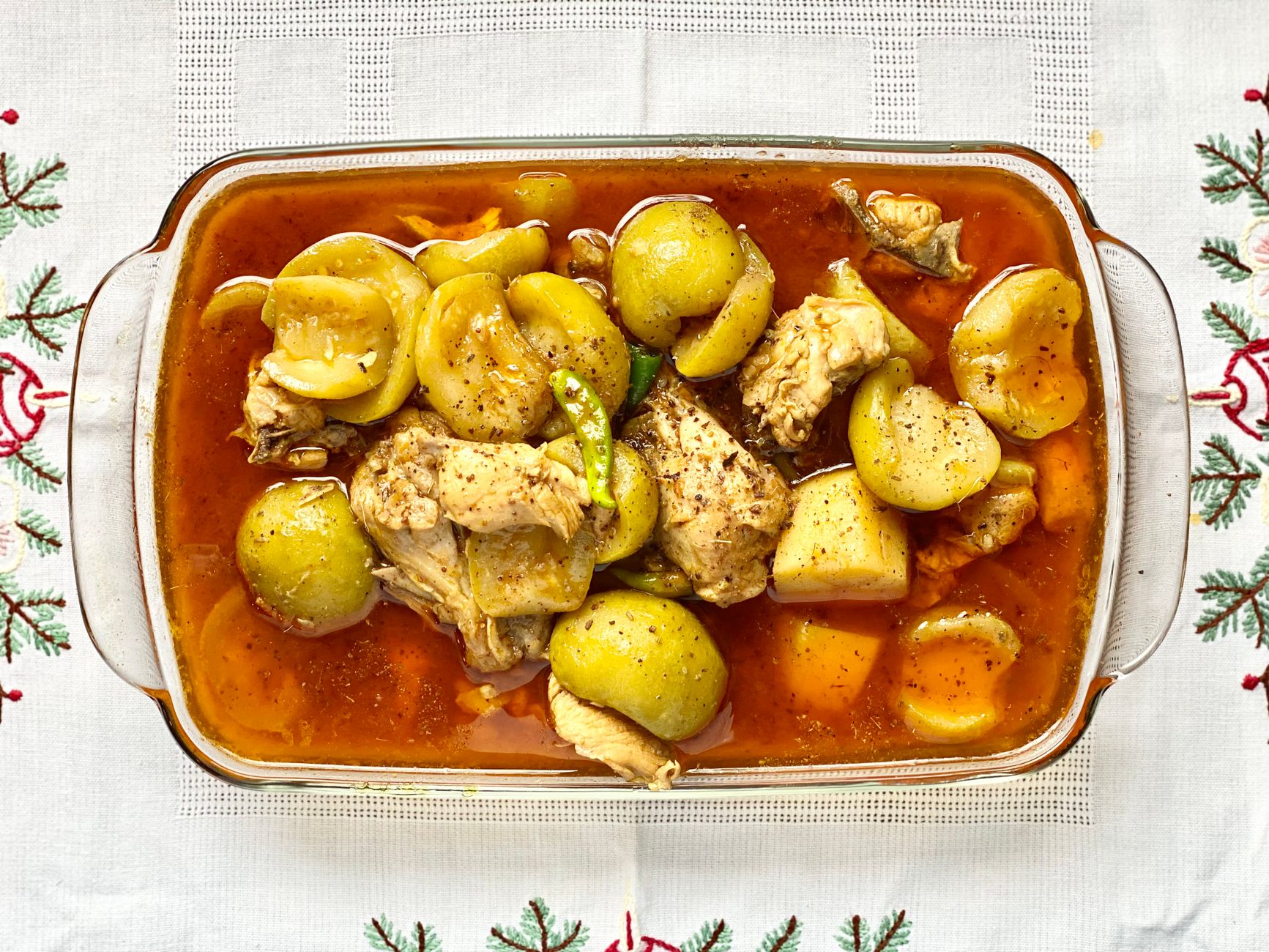
Authentic Ethiopian Doro Wat
The first time I tasted doro wat, it wasn’t in a restaurant. It was scooped up with a torn piece of spongy injera at a friend’s family gathering, and the depth of that dark, red sauce stopped me mid-conversation. I spent the next two years chasing that flavor at home, burning more than a few batches of onions along the way. This is the version I finally landed on — built for a regular home kitchen, but honest to the slow, patient technique that makes real Ethiopian doro wat so unforgettable.
If you have never made it before, know this up front: doro wat is not a fast recipe, and that is exactly the point. The magic lives in the onions, which are cooked down low and slow with no rush until they nearly melt into the sauce. Give it that time and you’ll be rewarded with a stew that tastes like it simmered all day.
What Makes Doro Wat Special
Doro wat is widely considered Ethiopia’s national dish, traditionally served during holidays, weddings, and important celebrations. “Doro” means chicken and “wat” means stew, but that plain translation undersells it. The dish is a showcase for berbere, the fiery, fragrant Ethiopian spice blend built from dried chiles, fenugreek, ginger, garlic, and warm baking spices. Every family and every region has its own berbere, which is why no two pots of doro wat taste quite the same.
Two ingredients set an authentic version apart from a generic chicken stew. The first is niter kibbeh, a spiced clarified butter infused with garlic, ginger, and aromatics like cardamom and fenugreek — it carries flavor in a way plain butter simply can’t. The second is the sheer volume of onions: this recipe uses four large ones for a reason. They are the body of the sauce, not just background seasoning. The hard-boiled eggs, scored and simmered until they drink up the sauce, are the traditional finishing touch.
Why You’ll Love This Recipe
- Deep, authentic flavor from berbere, slow-caramelized onions, garlic, ginger, and a rich simmered sauce.
- Comforting and filling thanks to tender chicken and hard-boiled eggs served right in the stew.
- Even better the next day, which makes it perfect for gatherings and meal prep.
- Traditional serving style that pairs beautifully with injera, rice, or warm flatbread.
Ingredients
- 2 1/2 lb (1.1 kg) bone-in chicken thighs and drumsticks, skin removed (cut into pieces)
- 2 tbsp (30 ml) lemon juice (for marinating the chicken)
- 1 1/2 tsp (9 g) salt (divided)
- 4 large (about 900 g) yellow onions (finely chopped)
- 3 tbsp (42 g) unsalted butter (or niter kibbeh if available)
- 2 tbsp (30 ml) vegetable oil (or additional clarified butter)
- 4 cloves garlic (minced)
- 1 tbsp (6 g) fresh ginger (minced or grated)
- 3 tbsp (18 g) berbere spice blend (adjust to taste)
- 2 tbsp (30 g) tomato paste (adds depth and color)
- 1 cup (240 ml) chicken broth (low sodium)
- 1/2 cup (120 ml) water (as needed for simmering)
- 4 large hard-boiled eggs (peeled)
- 1/2 tsp (1 g) black pepper (freshly ground)
Instructions
- Pat the chicken dry, place it in a bowl, and toss with lemon juice and 1 tsp of the salt. Set aside while you prepare the onions.
- Add the chopped onions to a large heavy pot over medium heat. Cook, stirring often, until the onions soften and release moisture, about 12 to 15 minutes.
- Stir in the butter and oil, then continue cooking the onions until they turn deep golden and start to caramelize, about 15 to 20 minutes more. Lower the heat if they begin to scorch.
- Add the garlic and ginger and cook for 1 minute, just until fragrant. Stir in the berbere spice and tomato paste, then cook for 1 to 2 minutes to bloom the spices.
- Add the chicken pieces and turn to coat them in the spiced onion mixture. Cook for 3 to 4 minutes so the chicken begins to take on color.
- Pour in the chicken broth and enough water to create a stew-like sauce. Add the remaining salt and black pepper.
- Cover partially and simmer on low heat for 30 to 35 minutes, stirring occasionally, until the chicken is cooked through and tender.
- Add the peeled hard-boiled eggs and spoon sauce over them. Simmer uncovered for 5 minutes so the eggs absorb flavor and the sauce thickens slightly.
- Taste and adjust with more salt or berbere if needed. Serve hot with injera, rice, or flatbread, making sure each portion gets plenty of sauce.
Notes From My Kitchen
After making this more times than I can count, here are the things that genuinely changed my results:
- The onions are the whole recipe. The first several times, I got impatient and cranked the heat. Big mistake — they scorched and turned the sauce bitter. Keep the heat low to medium, stir often, and let them go until they collapse into a jammy base. This single step is the difference between “pretty good” and “restaurant good.”
- Bloom the berbere. Don’t just dump it into liquid. Cooking it in the fat with the tomato paste for a minute or two wakes up the spices and deepens the color dramatically.
- Score the eggs. I make shallow slits around each peeled egg before adding them. It looks traditional and, more importantly, lets the sauce soak in so every bite is seasoned.
- Taste for salt at the very end. Berbere blends vary wildly in salt content, so I always season last rather than guessing early.
Pro Tips & Variations
- Go heavy on onions: their slow-cooked body is what gives doro wat its signature texture, so don’t cut the amount.
- Choose a good berbere: taste yours first and start with 2 tbsp (12 g) if it runs very hot, then build up.
- Make it richer: swap in niter kibbeh for the butter for the most traditional, aromatic flavor.
- Lighten it up: use skinless thighs and skim excess fat from the surface before serving.
- Add heat lovers’ garnish: a few extra scored eggs and a side of fresh green chiles is how many Ethiopian cooks serve it.
What to Serve With Doro Wat
Injera, the tangy fermented flatbread, is the classic and most authentic pairing — you tear off pieces and use them to scoop up the stew, no utensils needed. If you can’t find injera, steamed rice, warm flatbread, or even mashed potatoes all work well for soaking up the sauce. Round out the plate with a simple tomato and onion salad or sauteed collard greens (gomen) for a spread that feels like a real Ethiopian meal.
Storage & Reheating
Store leftover doro wat in an airtight container in the refrigerator for up to 4 days; the flavor actually deepens overnight. Reheat gently on the stove over low heat with a splash of water or broth to loosen the sauce. It also freezes well for up to 3 months — cool completely, freeze without the eggs (they can turn rubbery), and add freshly boiled eggs when you reheat.
Nutrition (per serving)
Calories: 410 | Protein: 31g | Carbs: 12g | Fat: 26g | Fiber: 3g
Frequently Asked Questions
What makes doro wat authentic?
Authentic doro wat relies on slowly caramelized onions, a generous amount of berbere spice, niter kibbeh (spiced clarified butter), chicken, and hard-boiled eggs, traditionally served with injera.
Can I make doro wat without niter kibbeh?
Yes. Regular butter works well and is what I use most weeknights, though niter kibbeh adds a more traditional, aromatic Ethiopian flavor if you can find or make it.
How spicy is doro wat?
It is typically medium-hot to hot, driven entirely by your berbere. Reduce the amount for a milder stew, or add a little more for extra heat.
Why are my onions turning bitter?
That usually means the heat was too high and the onions scorched. Keep the heat low to medium and stir often — the goal is slow caramelization, not browning quickly.
Can I make it ahead of time?
Absolutely. Doro wat is one of those stews that tastes even better the next day, making it ideal for gatherings or meal prep.
What should I serve with doro wat?
Injera is the classic choice, but rice, flatbread, or couscous also work well, along with a fresh salad or sauteed greens.
[recipe_card]